News · 27 August 2026

(In)Sight Curator’s essay: Laying Down the Evil Eye

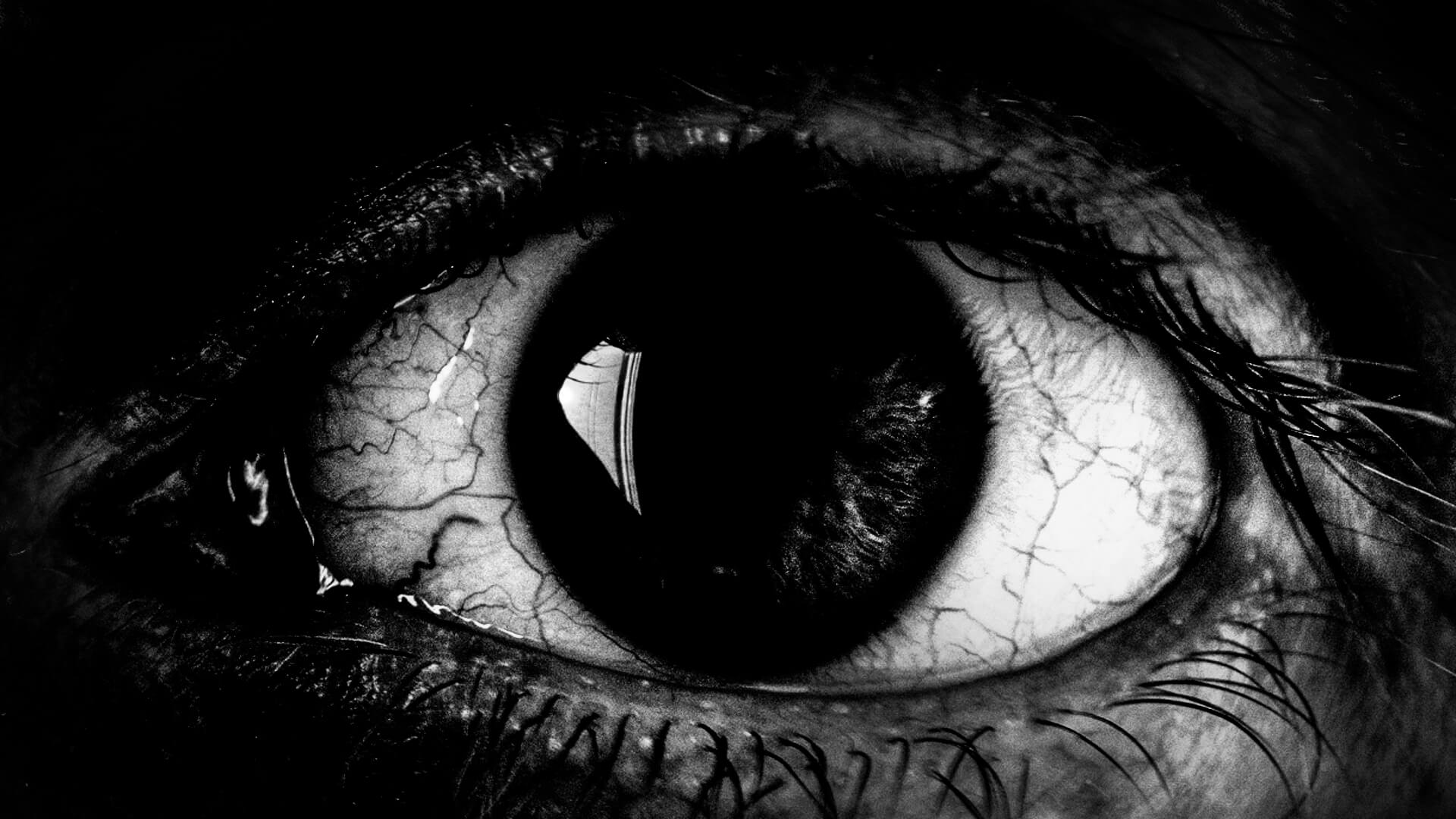
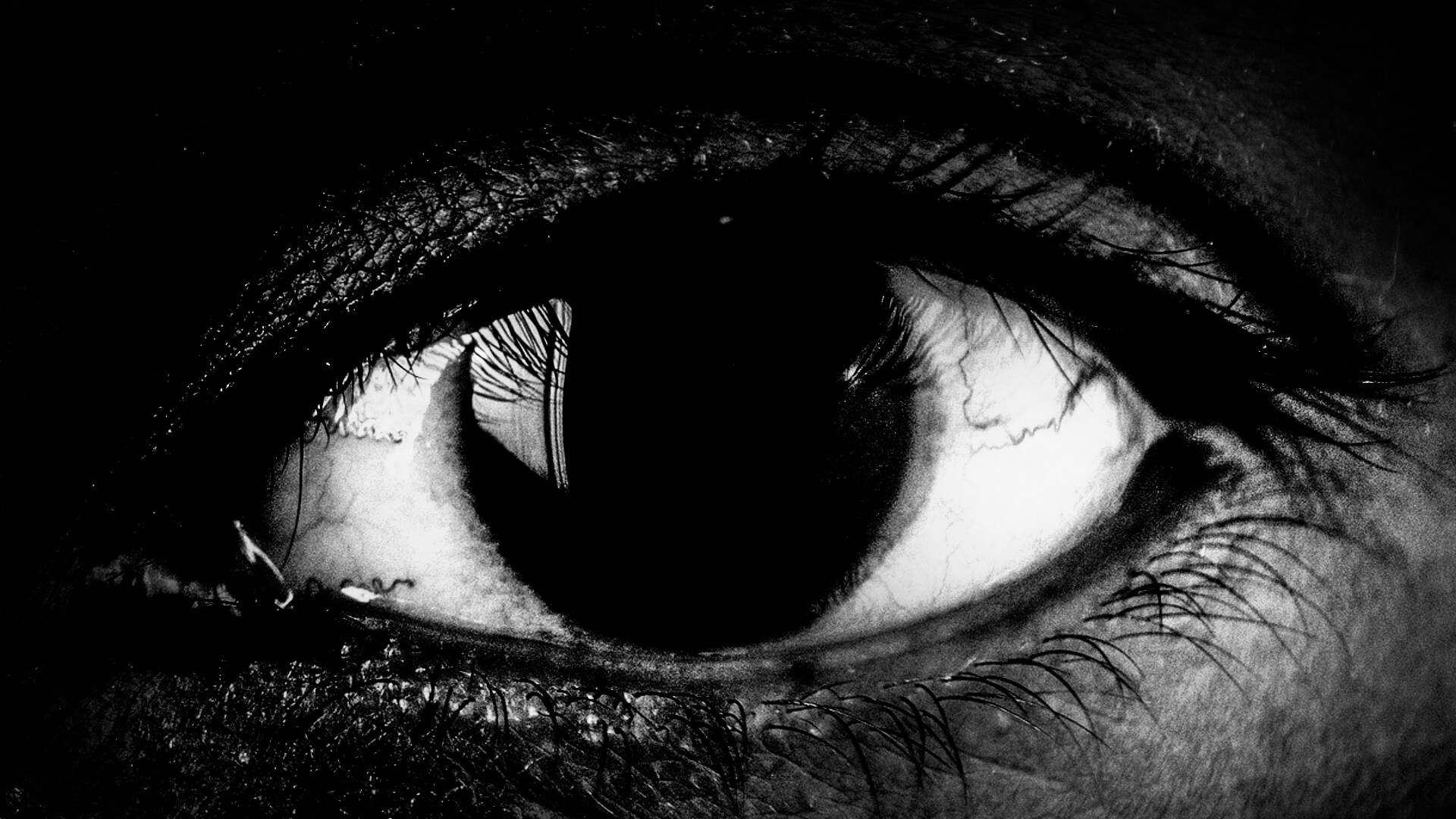
(In)Sight, an exhibition by Kuweni Dias Mendis and Grant x Wilkes explores image making across digital and handmade forms, inviting audiences to see and be seen. This exhibition extends their collaboration into a third dimension of experimentation with ritual, darkness and the unstable nature of images.

Metro Arts Curator Rachel O’Reilly’s essay provides deeper insights into this new work.

(In)Sight is the second experimental portrait collaboration of Grant x Wilkes with Kuweni Dias Mendis. In their first, Homecoming, which won the Metro Arts Experimental Portraiture Prize in 2025, Dias Mendis was figured standing in Back Creek near her home in Beechmont, where, in dialogue with Wangerriburra and Mununjali elders, she first felt able to unravel from the Australian version of the colonial gaze, and embrace her Sri Lankan inheritance, including memories of Gala Oya (river). That work situated Grant x Wilkes into relationship with their friend’s diasporic imagination, and the ritual and material references of her worldmaking. It was still a resolved portrait, following classical conventions of staging, and address. This new work feels more anti-foundational, embracing black cubed space, where perception itself becomes media. 

Sound composed by Niru Mendis pulsates into the body in the darkness of the exhibition space, as you walk towards a portalled screen. Three sets of eyes (the collaborating artists’) stare back into yours in a black and white graphic montage. You hold this flickering gaze as best you can, but then the lights switch on, the eyes disappear, and you are left staring at your own reflection in a mirror framed between two black curtains. Vulnerability to the projected gaze of another is a near-universal experience, but different cultures have very different ways of dealing with it. Twenty-one limes, sliced in half, are spaced in a ritual arrangement on the floor, hinting at a past or pending action. Kuweni Dias Mendis points to them and promises a performance connected to the installation in which one can experience a ritual ‘unburndening from the gaze’.
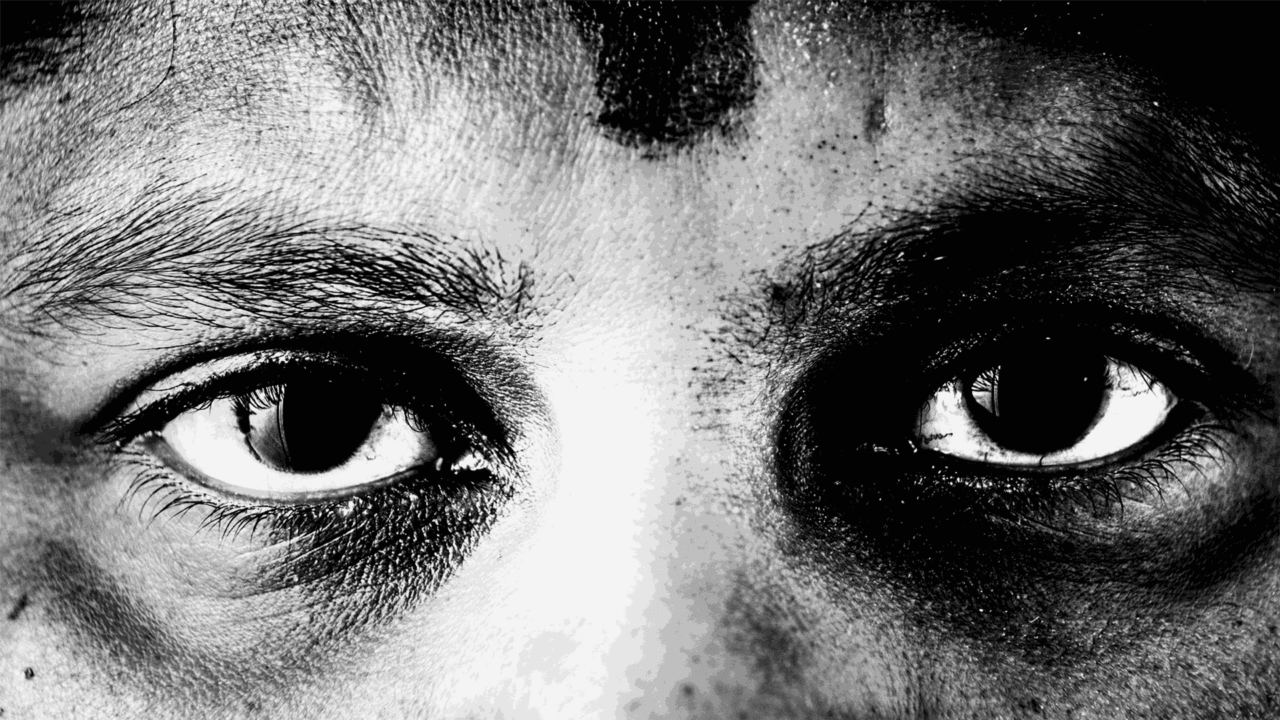
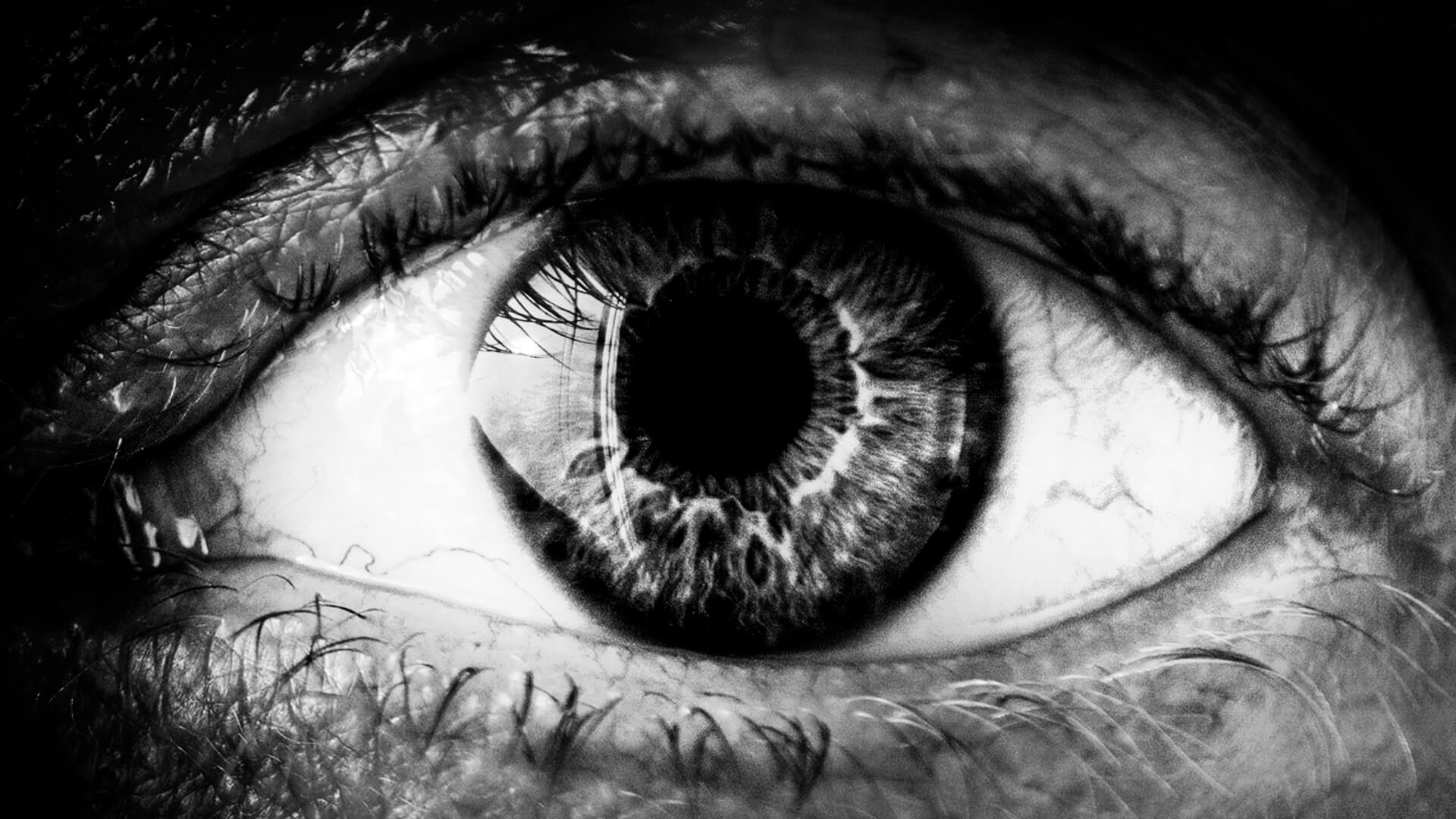
When cut limes burst in ritual, their juicy scent absorbs disturbances. Others are turned into cups, with a wick and coconut oil, lit to hold off the ‘evil eye’ in Sri Lankan culture. This offering is of protection from projected harms like envy, misfortune and uncertainty. Such rituals are performed both by women and men, and generally directed at protecting things quite central to the reproduction of the household: children, fertility, marriage, pregnancy, new homes, livestock, and signs of prosperity that might be fragile or coveted. My first thought when I am reminded of this concept of the evil eye was not of local or distant acquaintances I can’t help think of when posting on Instagram, but of the totalist aspirations of Palantir – the all-seeing stone in Lord of the Rings, and the AI company named after it, scraping migrants from streets and putting cameras in public hospital rooms. Of course, black feminist theorists of politics and aesthetics point out that visibility and belonging has always been both carceral and positivist in liberal conditions. Today’s universalising tools of predictive finance and surveillant capitalism increasingly bypass recognition altogether, approaching persons less as citizens or subjects than as behavioural data and credit units. We are compelled to perform, and to never depart, from platformed visual culture vis a vis endless streams of projection. 

In the black cube, artists more easily conjure longer or more subaltern histories and interrogations of optical thought from outside and under the Western regimes. Some have returned for example* to Ibn al-Haytham’s Book of Optics, written in the 11th century, which famously overturned the classical theories of ‘extramission’ that imagined sight as something projected outward from the eye, arguing instead that vision emerged through the reception of light and perceptual judgment. The disappearance of extramission from scientific optics never really eliminated social understandings of the gaze as an active force, from culture. Concepts like the evil eye, imagined not as surveillance, but as malevolent attentional force, found across South Asian, Middle Eastern, Mediterranean and African traditions, persist to understand material intersubjectivity as inter-active, capable of rearranging beings and relations in the world. Of course it matters that in the agrarian, kinship-based, quasi-feudal societies, in which these rituals became more ordinary, that people managed their households’ fate and fortune as part of dynamics that were not securable by abstract rights or regulating states. Dependencies, patronage and debt were asymmetrically intimate experiences of social order; envy, admiration, resentment, vulnerability, had to be managed. Seeing like a State came much later. 

(*Here I wish to credit the contemporary Iranian artist Sepideh Behruzian’s research and filmmaking.)

(In)Sight is not offering a replete decolonial solution for vision (when conditions seem so much in abeyance) so much as an experiment in thinking about what different vision regimes do, when figured relationally – as is their power. Today, the most normative patriarchal corporate optics are those that pre-sort us according to ancient regimes of trustworthiness, reproductive legitimacy, accept-ability. Contemporary technoculture starts looking less like a radical break and more like a rhymed return, as more feminist responses make sense of increasingly extant social divisions. It is precisely here, where ceremony is being offered up to intervene, drawing on embodied sense and ethical substance, to find us, and to rearrange us. To be unburdened by the gaze is a momentary relief – not about becoming invisible, nor, necessarily, about finding a post-capitalist fantasy hole in the normotic universe. The question is instead how to remain in relation with very real disturbances, when othered forms of protection, knowledge, reciprocity, care and cultural technics, which dare to protect subjugated and situated knowledges, are able to hold and vibrate us together, without taking control.


Visit the exhibition page for the Artists’ bios.

Support Us