Choral Cthonics
A hum in the dark.
Dean Ansell
(he/him)
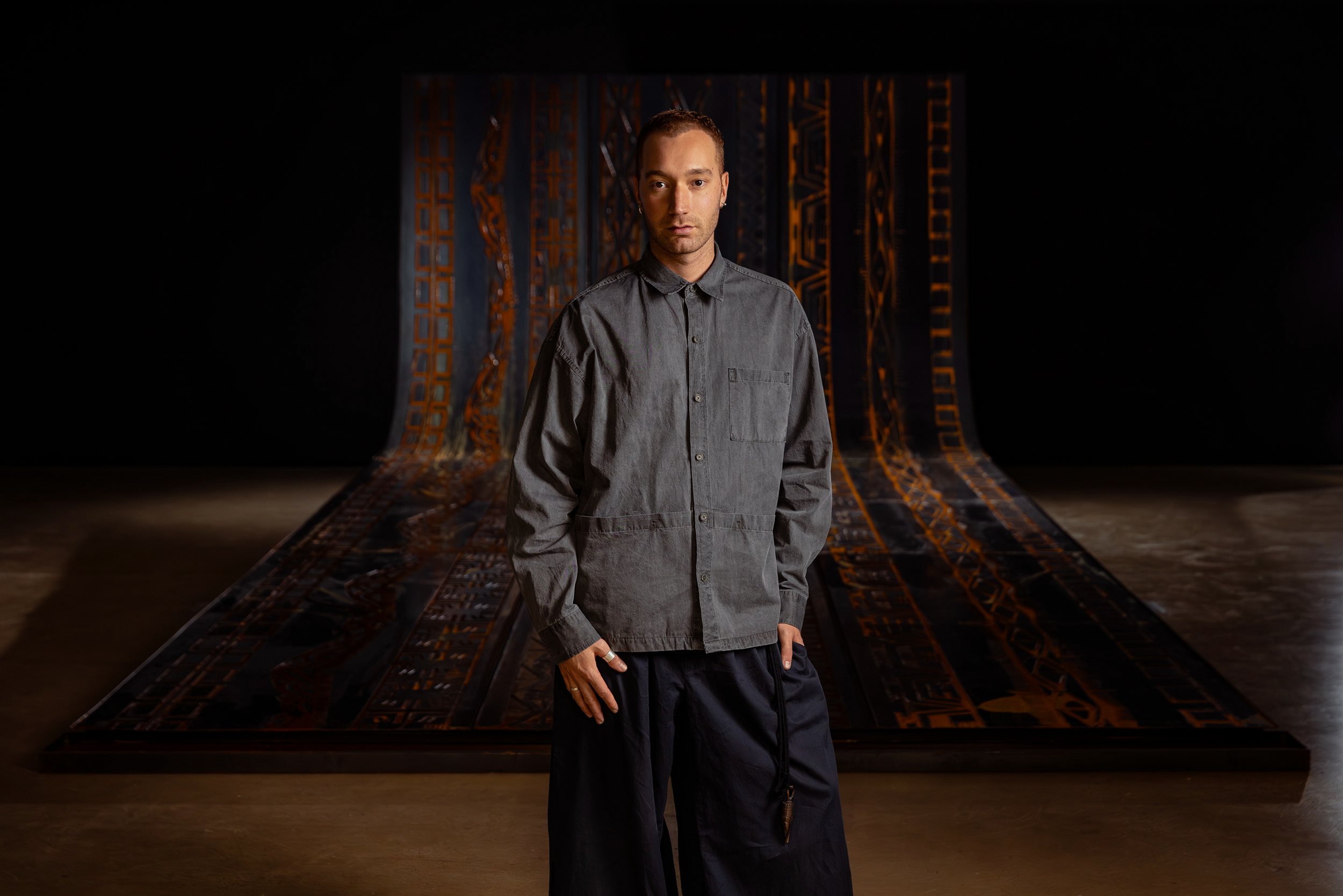
Dean Ansell (b. 1997) is an artist of Papua Niugini (Riḡorabana, Balawaia) descent, based in Magandjin, Australia. His practice connects cultural heritage to material processes that engage his body and the environment. Working across installation, sound, and performance, Ansell interprets mythologies and ritual practices through a contemporary diasporic lens. By correlating inherited knowledge with personal experiences of cultural displacement, his work expresses the layered complexities of Melanesian diasporic identity.
He has exhibited in galleries and spaces across Australia including Institute of Modern Art, Redcliffe Art Gallery, Outer Space, Milani Carpark Gallery, Blindside Gallery, Sawtooth ARI, Bus Projects, and Wreckers Artspace.
Cicadas (Celeste Ricci & Maria Molina)
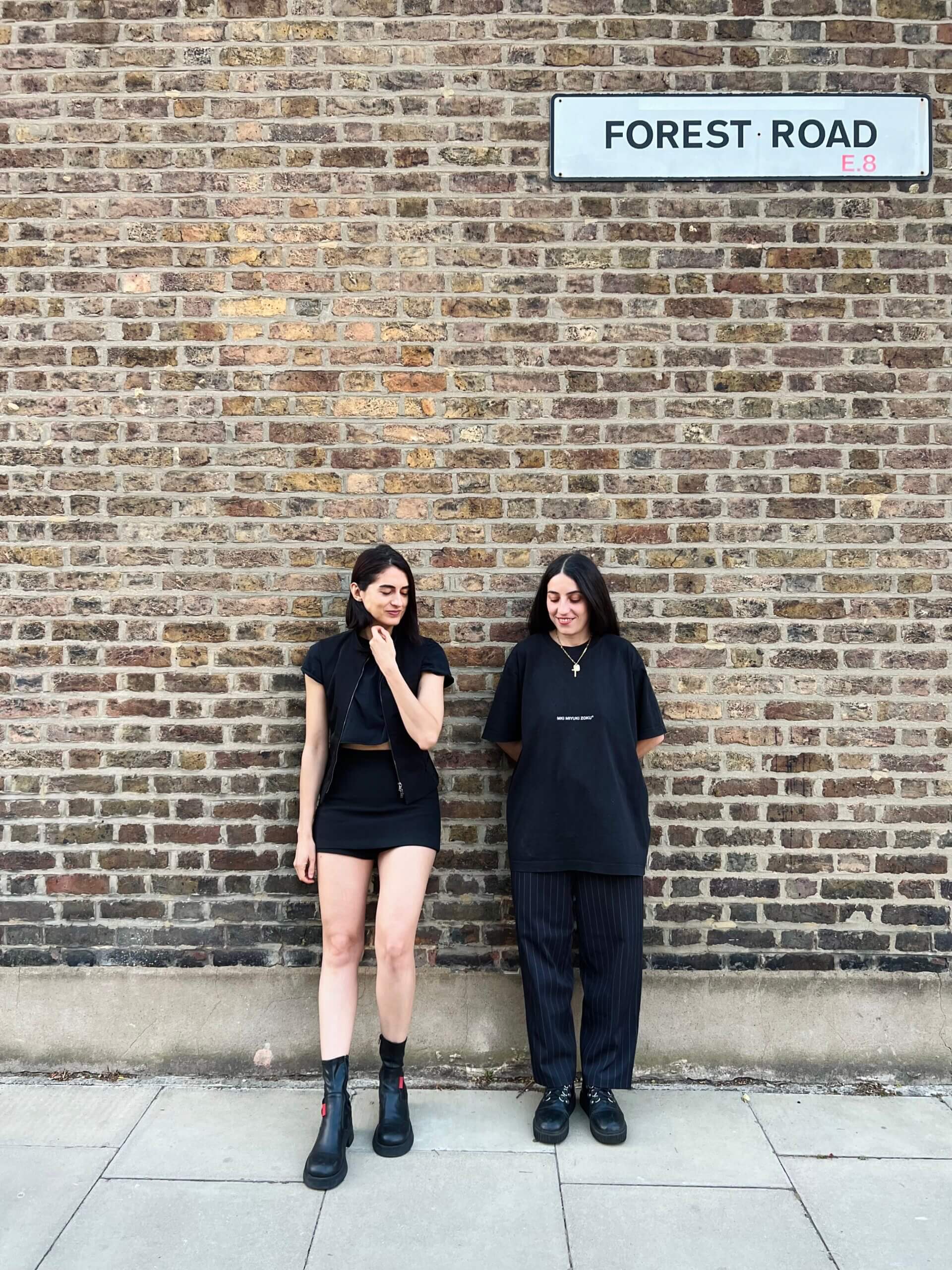
Cicadas (Celeste Ricci & Maria Molina) is an ongoing research project exploring an expanded notion of choral music and collective voices. Moving across periods, geographies and musical traditions, the project traces forms of communal singing and vocal expression as sites of ritual, memory, celebration and resistance, while considering how listening can shape the ways we gather, remember and make sense of a changing world.
Currently taking the form of a seasonal radio programme on Radio Relativa, each episode brings together choral and experimental music, archival material and field recordings, placing voices in dialogue with their environments, histories and communities.
Cicadas is a collaborative project by Celeste Ricci and Maria Molina-Sanchez.
CAConrad
(they/them)
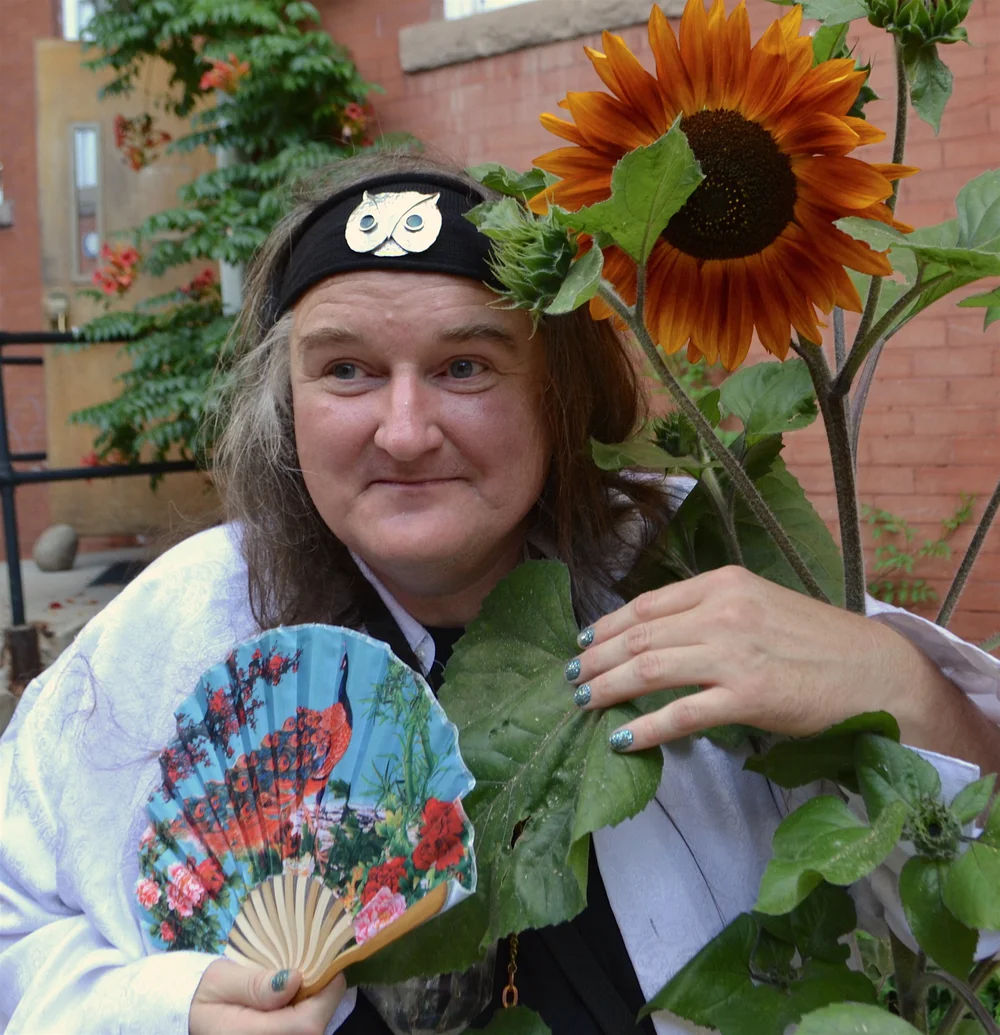
CAConrad has worked with the ancient technologies of poetry and ritual for over 50 years. Their latest poetry collection is First Light (Wave Books / UK Penguin, 2027). They received the Ruth Lilly Poetry Prize, a PEN award, a Creative Capital grant, and other awards. The Book of Frank is now available in a dozen languages, with a forthcoming Korean translation in 2027. They exhibit their poems as sculpture with recent shows in London, Edinburgh, Hamburg, Melbourne, Porto, Santander, and Chicago. They teach at Sandberg Art Institute and De Ateliers in Amsterdam, and at Bard College’s MFA program. They live in Greenfield, Massachusetts. Please visit them at CAConrad.com
Léuli Eshrāghi
(they/them)
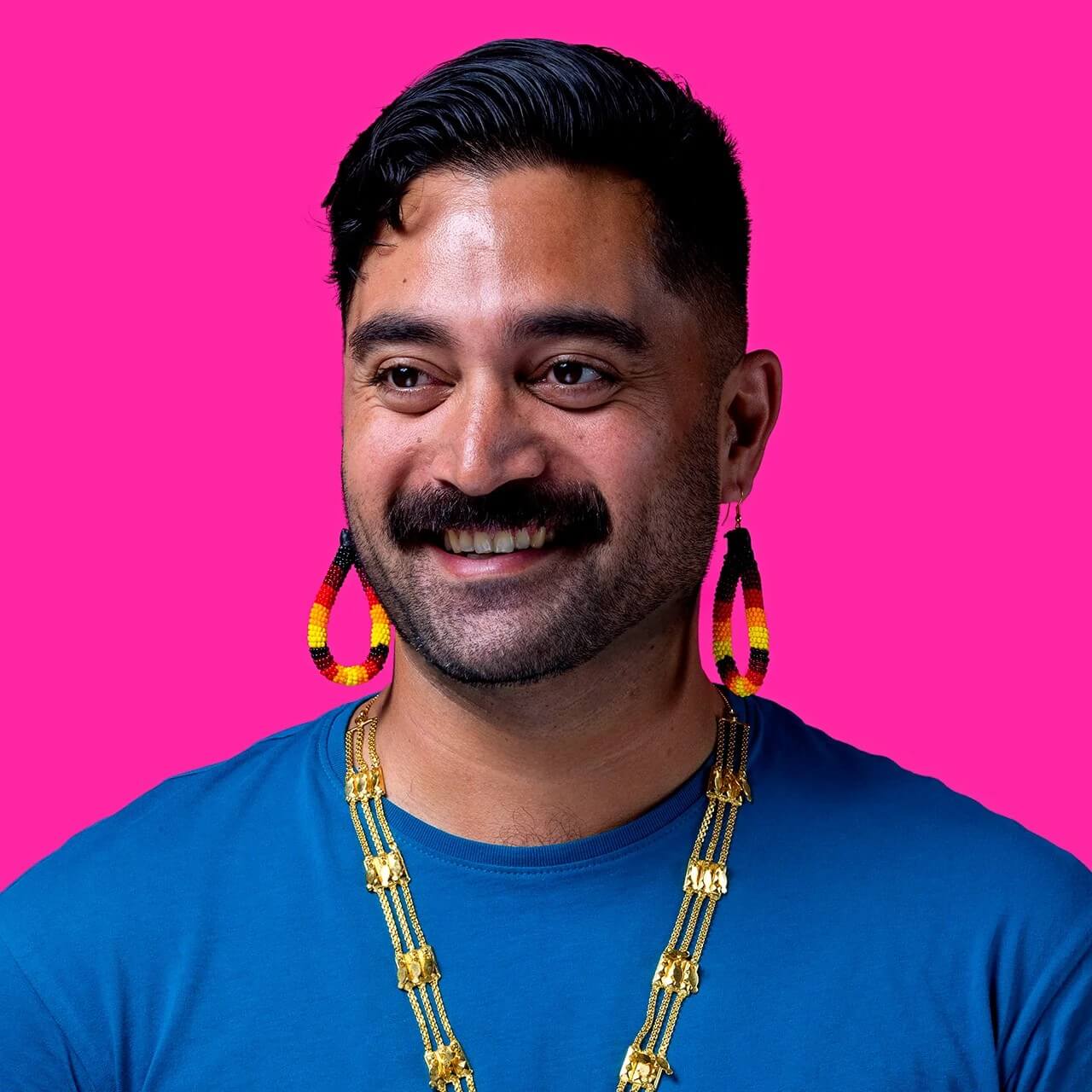
Léuli Eshrāghi (Tagata Sāmoa) prioritizes sensual and spoken languages as well as artistic, ceremonial and political practices. Eshrāghi has presented major works at Romssa Dáiddasiida | Tromsø Kunstforening, Tate Modern, the Staatliche Kunsthalle Baden-Baden, Museum of Contemporary Art Australia, Queensland Art Gallery | Gallery of Modern Art, and Galerie de l’Université de Montréal, among others. They have notably exhibited as part of the biennials, The National 4: Australian Art Now (2023), MOMENTA Biennale de l’image: Sensing Nature (2021), 22nd Biennale of Sydney: NIRIN (2020), and Sharjah Biennial 14: Leaving the Echo Chamber (2019). Their work is held in the Royal Bank of Canada and Fonds régional d’art contemporain des Pays de la Loire collections, and in private collections.
Portrait by Rhett Hammerton
Mikhail Karikis
(he/him)
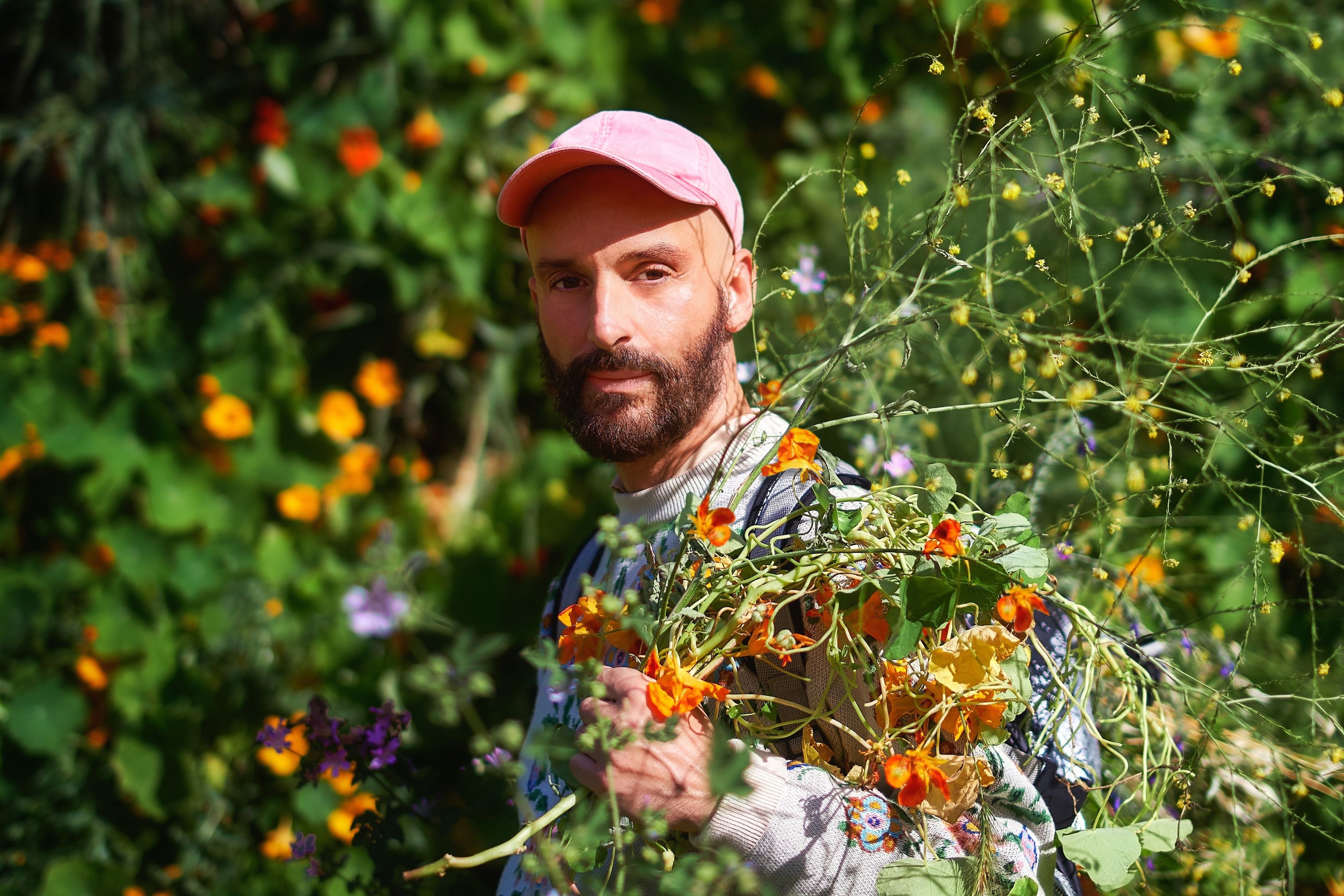
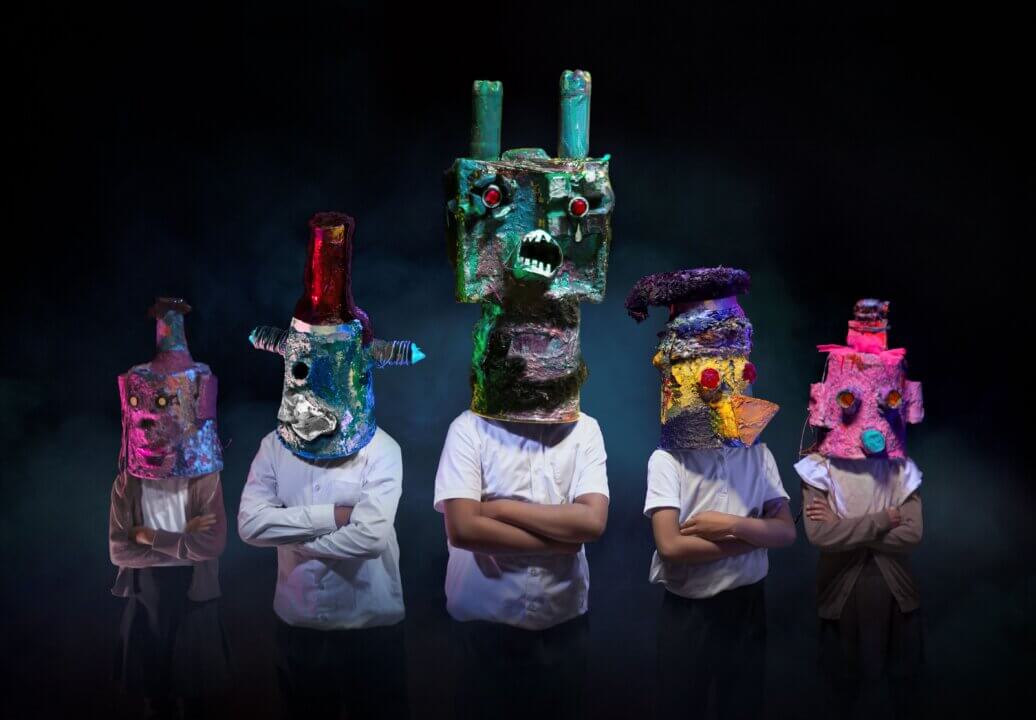
Mikhail Karikis (b.1975) is a Greek-British artist living and working between London and Lisbon. Working across moving image, sound installation, performance and composition, his practice explores the political and social potential of sound, voice and collective action. Collaborating with communities beyond the circles of contemporary art—including children and young people, refugees, support workers and people with disabilities—he creates socially embedded works that address pressing ecological and social questions while imagining just, caring and sustainable futures. He was an early collaborator of Björk and DJ Spooky and released three solo albums on the Belgian label Sub Rosa.
Karikis won the Paul Hamlyn Award (2024) and has been a finalist for the Film London Derek Jarman Award (2016, 2019) and the Daiwa Art Prize (2015).
His work has been presented internationally at many major museums, biennials and triennials, including the 54th Venice Biennale (Danish Pavilion), and Biennale of Sydney, with career retrospective exhibitions at Kunstmuseum St. Gallen, Switzerland (2025), and National Museum of Contemporary Art, EMST, Athens (2023).
Jazz Money
(she/her)
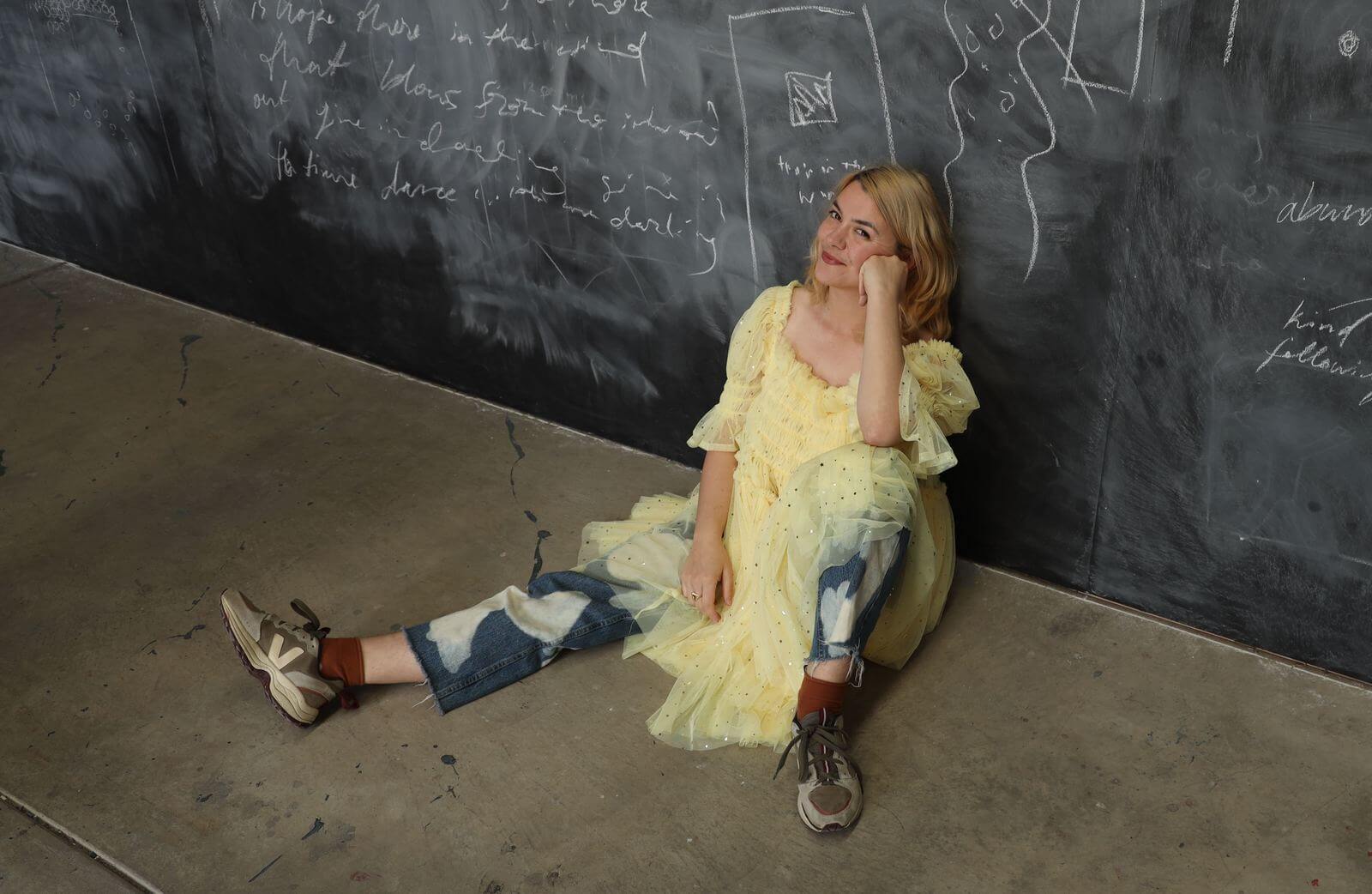
Jazz Money is a Wiradjuri poet and artist. They are the author of the multi-award-winning poetry collections how to make a basket (2021) and mark the dawn (2024). Jazz’s first feature film WINHANGANHA (2023) was commissioned by the National Film and Sound Archive. As a visual artist, Jazz works with poetics to create immersive storied spaces. Their writing and art has been presented, performed and published around the world.
Tina Stefanou
(she/her)
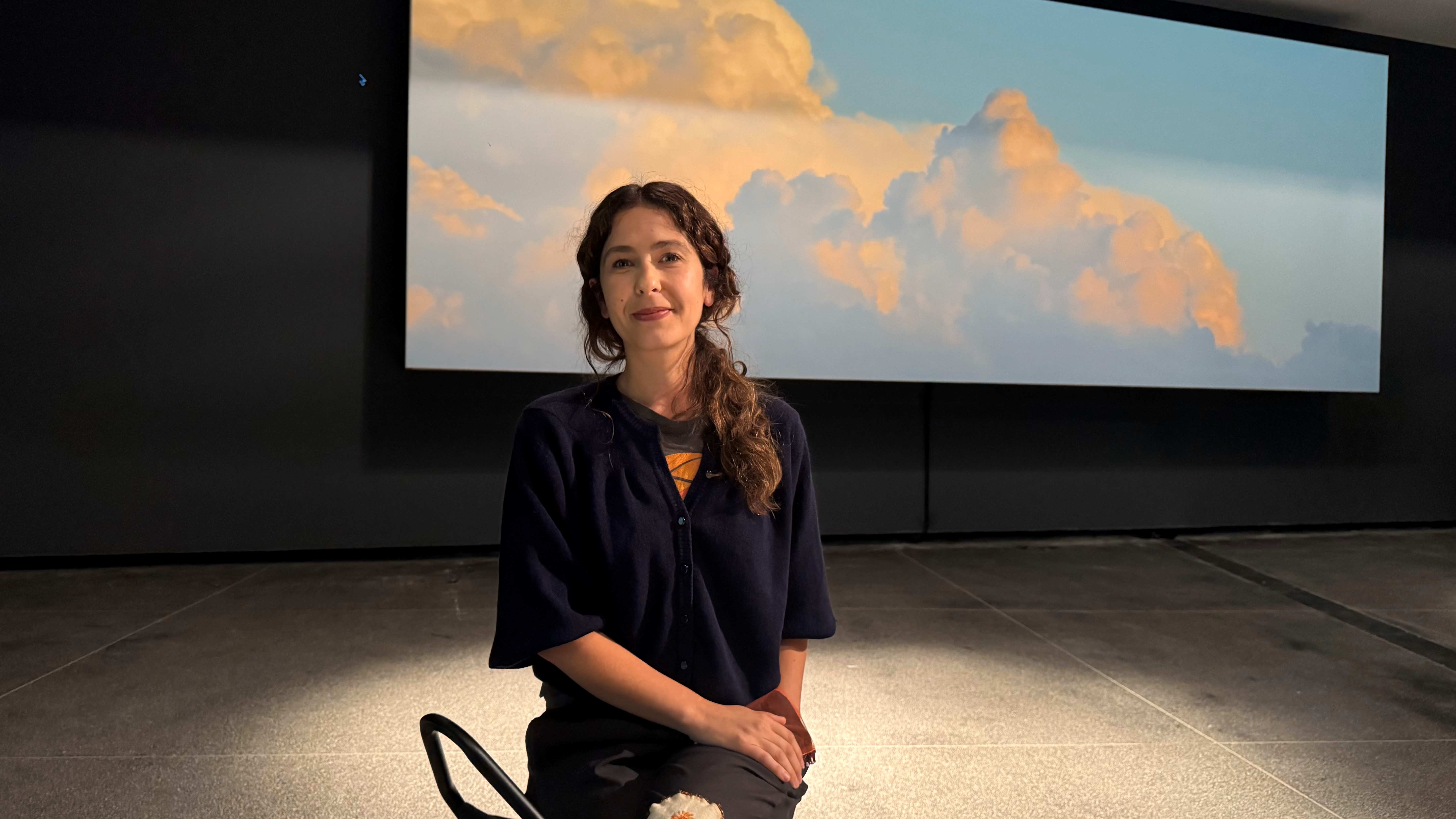
Tina Stefanou is a visual artist living and working between Naarm/Melbourne and Lenapehoking/Philadelphia. With a background as a vocalist, she works undisciplined, with and across a diverse range of mediums, practices, approaches and labours: an embodied practice that she calls voice in the expanded field. As a means to seek more inclusive ways of making and to frame tangled relationships, she engages in multispecies performance with a family of local others, friends not-yet-made, and poet(h)ic meetings of matter. Informed by diasporic and working-class experiences, Stefanou engages in sound, filmography, and research as social practice, exploring with and beyond all-too-human and more-than-human vocalities. She works with multiple communities over long periods of time and locations through collective vocality, performance making, and filmic traces, exploring forms of poetic knowledge.
Acknowledgements
Metro Arts’ 2026 program is supported by the Australian Government through Creative Australia, its funding and advisory body. Metro Arts is supported by the Queensland Government through Arts Queensland and the Visual Art, Craft and Design Framework, an initiative of the Australian, state and territory governments.
Image credit: Mikhail Karikis, No Ordinary Protest (video still)